Table Of Content

A pilonidal cyst is usually treated in your health care provider's office. After numbing the area, your health care provider makes a small cut to drain the cysts. There is always a risk of an infection, an abscess, becoming more serious, or multiple cysts forming.
Get the Mayo Clinic app
Always be open with your healthcare provider about your symptoms and concerns. Pilonidal cysts are a common but often misunderstood condition that can cause discomfort and concern for those affected. Many people wonder if these cysts can resolve on their own or if medical intervention is necessary. The differential diagnosis includes hidradenitis suppurativa, infected skin furuncles, Crohn disease, and perianal fistula. Most patients with pilonidal disease will present with midline pits in the gluteal cleft, although they also may have surrounding cellulitis or abscess. Patients with chronic disease will most often present with chronic draining sinus disease in the intergluteal fold.
More on Skin Problems and Treatments
Eventually, this treatment will cause the lesion to harden and close. This procedure alleviates symptoms from an abscess, or a collection of pus inside the sinus. Before this procedure, your doctor will give you a local anesthetic.
Questions for your doctor
A pilonidal sinus is a small hole or tunnel in the skin that can easily become infected. It typically forms in the cleft at the top of the buttocks. The first few days after pilonidal cyst surgery can be uncomfortable. Since the wound is by your tailbone, it may be difficult to sit or find a comfortable position.
Things Your Hair Says About Your Health
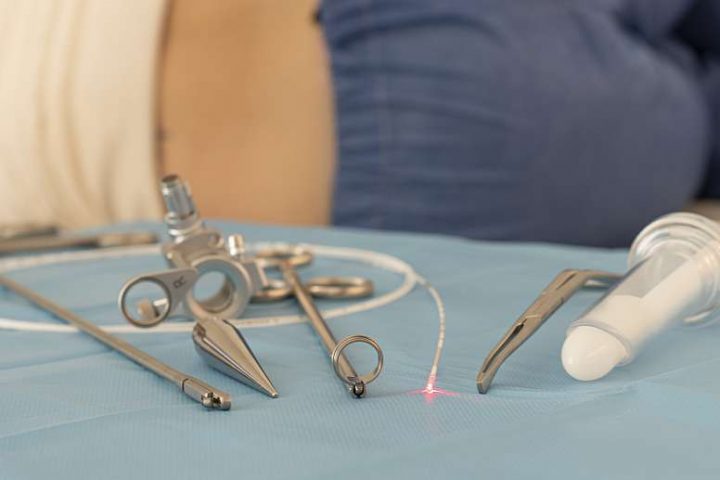
There are numerous treatment modalities and treatment combinations. There is no single best treatment modality, and treatment must be individually tailored to the patient. If you prefer a more permanent solution, laser hair removal or electrolysis may be a better option. A small study of 60 patients found post-surgical laser hair removal significantly reduces the risk of recurring pilonidal disease. Further research has shown that laser treatments to control hair growth are more effective than repeated surgical treatments. This is also done using local anesthesia and may be performed in the healthcare provider's office, an outpatient surgical center, or an emergency room setting.
Hidradenitis suppurativa (HS) - NHS Website
Hidradenitis suppurativa (HS).
Posted: Wed, 01 Nov 2017 21:53:09 GMT [source]
Chronic pilonidal cysts can be difficult to treat and come and go for many years. This might be termed "pilonidal sinus disease," meaning the condition is more serious. They’re also common in people who sit for long periods of time, such as truck drivers. Because they often involve an ingrown hair, the condition also is common in barbers and dog groomers who are often around hair. People with a lot of body hair, who are overweight, and don’t exercise much also are at risk for these cysts. Pilonidal cysts usually occur when hair punctures the skin and then becomes embedded.
First, the healthcare professional will give you an injection to numb the area. Then, they’ll make a small incision in the cyst to drain the pus. Researchers used to think of pilonidal cysts as a congenital disease (formed in utero). PSD doesn’t always become serious or cause a lot of pain and distress, but when it does, there may be a need for surgery. Keeping the area clean, shaving, and watching for signs of infection are all important to avoid recurrence and complications. If there are symptoms such as fever, weeping or oozing of fluid, extreme pain, and swelling or redness, that is a reason to seek help from a healthcare provider.
Diagnosis
At present, the exact reason why pilonidal cysts develop is unclear. Depending on how much tissue was excavated, the wound may be left open to keep watch for infection. If a lot of tissue has been removed, the wound may be packed with gauze. In addition, a drainage tube may be left in to help fluid continue to drain and prevent reinfection.
A pilonidal cyst is a pus or fluid-filled sac that develops just above or inside the groove between the buttocks. In some cases, it can lead to the creation of a tunnel called a pilonidal sinus. If you have questions, concerns, or need a diagnosis, you can speak with an online dermatologist anytime, anywhere. Diagnosing pilonidal disease is clinical, and no further labs, tests, or imaging is required. However, imaging may be helpful in cases where the diagnosis is less clear. If the wound is large, your healthcare provider may need to close it up with stitches.
These tips can help you control psoriasis and feel comfortable in your skin. Atopic dermatitis, a common form of eczema, is linked to anorexia, bulimia, and binge-eating disorder, according to research from Yale. Our experts continually monitor the health and wellness space, and we update our articles when new information becomes available. The pathophysiology is mostly unknown; the etiology is thought to be related to trapped hair follicles (as noted above). The doctor will also assess the person’s family medical history.
Treatment for a pilonidal cyst depends on the severity of symptoms and the infection. Depending on the severity of the disorder and the type of treatment, an infected pilonidal sinus will usually clear up within 4 to 10 weeks. Doctors turn to surgery as the treatment of choice in some cases.
After a procedure or surgery for a pilonidal cyst or sinus, healthcare providers will give instructions on how to avoid complications. This includes keeping the area clean, changing dressings, and attending to other aftercare instructions. A person with a pilonidal cyst may experience swelling, pain, and skin discoloration in the affected area. A doctor will typically treat pilonidal cysts with minor surgical procedures. However, they do know that ingrown hairs found in the crease of the buttocks result in a skin infection that causes a pilonidal cyst to form. Think of this condition like getting a sliver of wood stuck in your skin, except it’s an ingrown hair instead.

Bathing is important, but tub baths aren’t appropriate during healing. Instead, shower daily with a handheld shower head that can direct the water to the area to be cleaned. Antimicrobial soap might be recommended to help keep the area clean and avoid the risk of infection. Healthcare providers may suggest lifestyle changes that may help heal or prevent recurrence. A large cyst could affect a person’s quality of life, especially if it causes pain or other symptoms. If you have pilonidal disease, this website is an excellent place to learn more about your condition and receive support from a community.

The timeline for this varies depending on your individual circumstances. The anesthesiologist will connect you to an IV to give you medicine to relax. If you are having general anesthesia, you will be asleep for the procedure. Some patients instead opt for regional anesthesia, such as an epidural or spinal block, which numbs the area while keeping you awake and alert.
A pilonidal cyst, which might sometimes be called pilonidal disease, is a fluid-filled sac that usually occurs on the tailbone at the top of the buttocks. Depending on your symptoms, you might need to take some time off of work if you have a pilonidal cyst. This condition can cause a lot of discomfort especially if you’re sitting for a long period of time. Talk to your provider about ways to be more comfortable at work and treatment options to relieve any pain caused by a pilonidal cyst.